
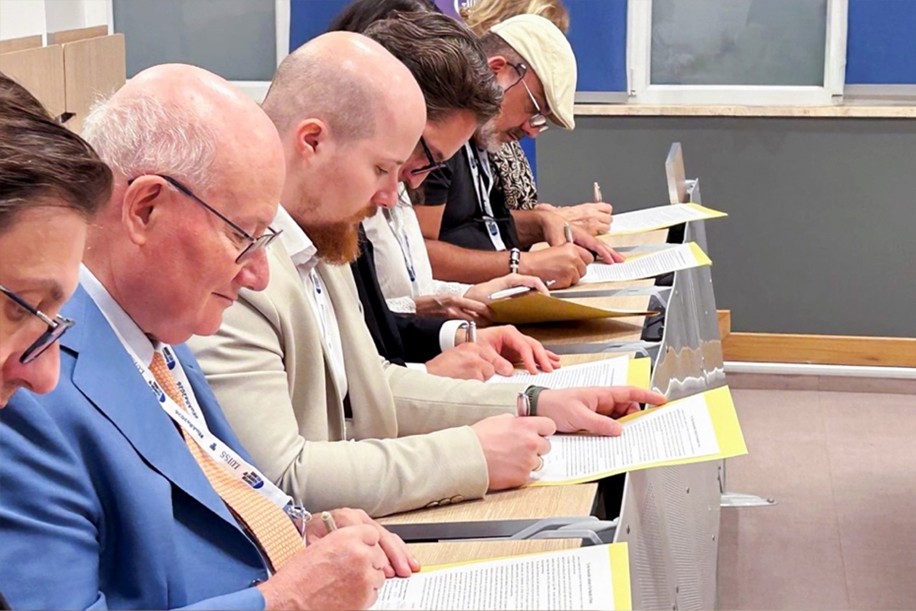
European scholars of religion and human rights advocates have appealed to the South Korean government to release Lee Man-hee, the 95-year-old Chairman of Shincheonji Church, who remains in detention over allegations related to political activities.
Lee was detained on 24 June and indicted on 30 June on charges including alleged violations of the Political Parties Act. The Joint Police–Prosecution Investigation Headquarters alleges that between July 2021 and January 2024, he directed the registration of approximately 50,000 church members into a political party.
Shincheonji Church has denied wrongdoing, saying individual members independently participated in political activities and that both Lee and the church cooperated fully with investigators throughout the process, including searches and seizures.
The church has expressed concern over Lee’s detention, arguing that keeping a 95-year-old religious leader in custody amounts to a form of physical punishment.
European scholars raise concerns
The issue was discussed at the Ninth Annual Conference of the European Academy of Religion (EuARe) held in Rome, Italy, on 3 July.
During a session titled “Shincheonji, a Korean New Religion in Global Context,” scholars examined the church's activities and discussed the circumstances surrounding Lee’s detention.
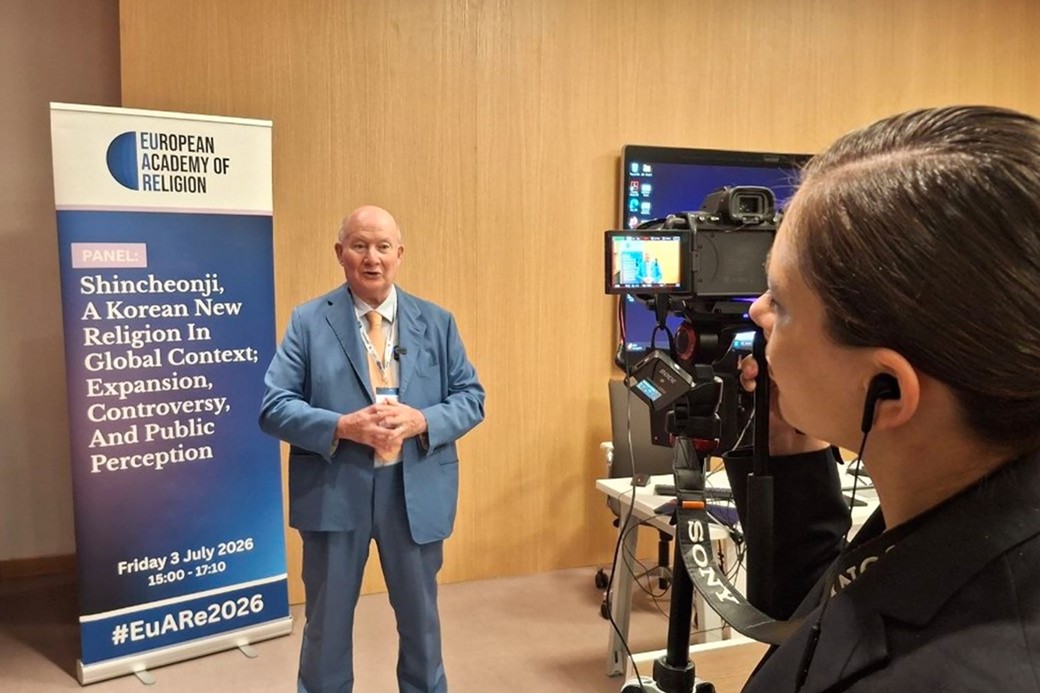
Dr. Massimo Introvigne, a sociologist of religion and founder of the Center for Studies on New Religions (CESNUR), criticised the decision to detain Lee, arguing that the treatment of elderly detainees should meet international human rights standards.
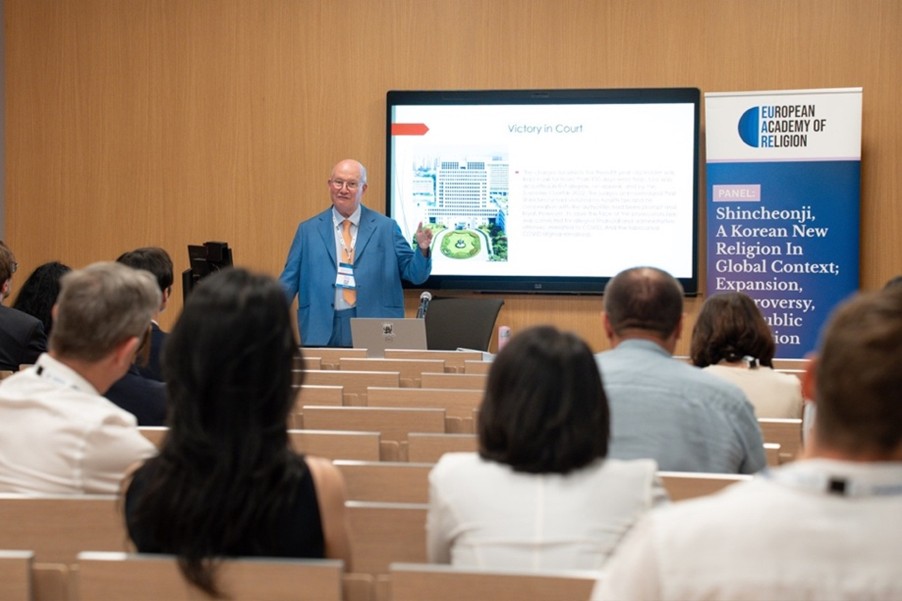
“In all European Union countries, legislation mandates that those older than 80 should only exceptionally be put in jail. They should be under house arrest if needed, and only for violent crimes where there is a risk of actual violence,” Introvigne said.
He argued that Lee’s detention over alleged electoral law violations raised questions under international human rights principles, including the United Nations Standard Minimum Rules for the Treatment of Prisoners, commonly known as the Mandela Rules.
“Preliminary detention should generally not be the rule and may only be applied in extremely limited cases involving elderly prisoners,” he said.
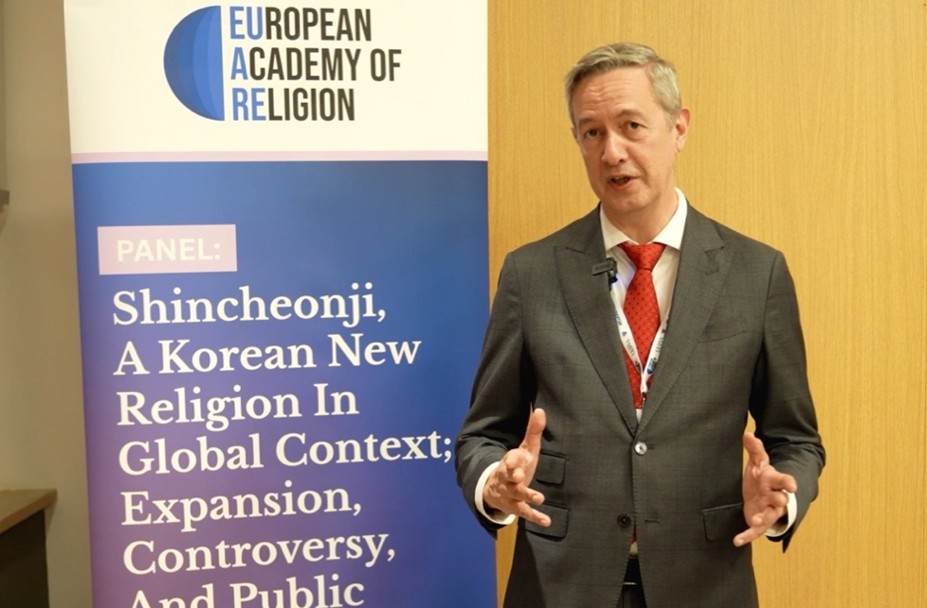
Eric Roux, President of the European Interreligious Forum for Religious Freedom (EIFRF), also called for Lee’s release, citing concerns over human dignity.
“A man of 95 years old being put in jail is not something that you can reconcile with the objective of respecting human dignity,” Roux said.
He urged South Korean authorities to review the decision, warning that continued detention could affect the country’s international reputation.
Human rights lawyer Alessandro Amicarelli, Chairman of the European Federation for Freedom of Belief (FOB), described Lee’s detention as concerning given South Korea’s democratic history.
“As a human rights lawyer, I always considered South Korea a true democracy where human rights are upheld as a foundation of democracy. Unfortunately, what is happening now is truly shocking,” Amicarelli said.
He said the detention of an elderly religious leader raised concerns about freedom of religion and human rights protections.
Shincheonji Church said the matter has moved beyond academic discussions and is increasingly being raised as an international human rights issue.
The organisations United for Human Rights and Coordination des Associations et des Particuliers pour la Liberté de Conscience (CAP-LC) submitted a joint written statement to the 62nd session of the United Nations Human Rights Council (UNHRC) on 25 May.
The statement, circulated on 10 June under document number A/HRC/62/NGO/236, raised concerns about religious freedom and political participation rights in South Korea.
The organisations argued that treating members’ political participation as evidence of religious–political collusion could conflict with protections under the International Covenant on Civil and Political Rights (ICCPR).
They also raised concerns about public statements targeting Shincheonji and called on South Korean authorities to uphold freedom of religion, non-discrimination and state neutrality.
Shincheonji Church said growing international petitions and statements from religious and human rights figures demonstrate increasing concern over Lee’s detention.
The church maintains that Lee’s release is necessary to protect freedom of religion, human rights and democratic values.
